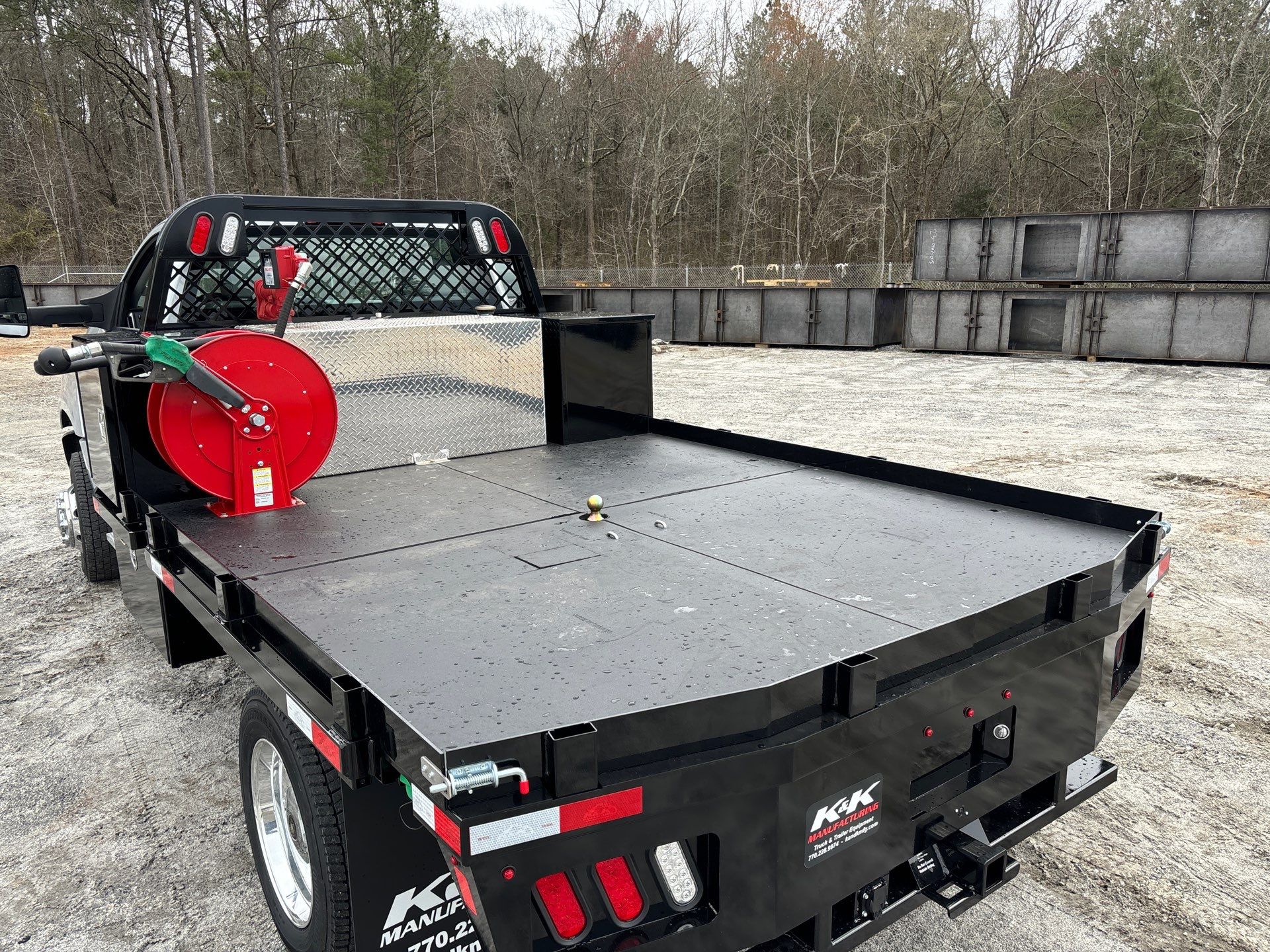
Gooseneck Utility Bed Setup Mistakes To Avoid
Setting up a truck for heavy-duty hauling requires more than just installing equipment—it demands precision, planning, and attention to detail. A properly installed gooseneck utility bed can significantly improve towing performance and efficiency, but common setup mistakes can pose safety risks, reduce functionality, and lead to costly repairs. Understanding what to avoid ensures your investment delivers reliable performance for years to come.
Incorrect Weight Distribution and Load Planning
One of the most common issues during installation is improper weight distribution. A gooseneck utility body is designed to handle heavy loads, but failing to properly balance the load can strain the truck’s frame and suspension. This often results in uneven tire wear, reduced braking efficiency, and compromised handling.
Operators sometimes overlook the importance of positioning cargo directly over or slightly ahead of the rear axle. When the weight is shifted too far back, it creates instability and increases the risk of trailer sway. Proper load planning not only enhances safety but also maximizes your equipment’s performance.
Additionally, exceeding recommended weight limits—even slightly—can lead to long-term structural damage. Always verify load ratings and ensure your setup aligns with manufacturer specifications before putting your truck into operation.
Improper Hitch Installation and Alignment
The hitch system is the backbone of any hauling setup. A poorly installed hitch can undermine even the most durable gooseneck service bed. Misalignment between the hitch and trailer connection point can cause excessive wear, reduce towing efficiency, and increase the likelihood of mechanical failure.
Precision during installation is critical. Even minor deviations in alignment can lead to uneven stress distribution, affecting both the truck and trailer over time. It is also essential to confirm that all mounting components are securely fastened and meet recommended torque specifications.
Another overlooked factor is compatibility. Not all hitch systems are universal, and pairing the wrong components with your gooseneck service body can limit performance or create safety hazards. Ensuring proper fit and alignment from the start prevents avoidable complications down the road.
Overlooking Structural Support and Accessories
A high-quality setup requires more than just the main components. Failing to reinforce structural elements or skipping essential accessories can reduce the effectiveness of your gooseneck utility bed. Features such as structural supports, long sills, and reinforced bulkheads deliver the durability required for demanding applications.
Lighting, wiring, and storage integration are equally important. Poorly installed electrical systems can lead to operational issues, while inadequate storage solutions reduce overall job efficiency. Investing in a properly configured utility body ensures that all components function together seamlessly.
It is also important to consider future needs. Many operators install a gooseneck service bed without considering future tools or equipment needs, which can result in overcrowding and reduced usability. Planning allows for better customization and long-term functionality.
Build It Right the First Time
Avoiding these common mistakes can significantly improve the performance, safety, and longevity of your setup. From proper weight distribution to precise hitch alignment and structural support, every detail plays a role in achieving dependable results. A well-installed gooseneck service body not only enhances productivity but also protects your investment over time.
At K & K Manufacturing, we understand the demands of professional hauling and the importance of getting every detail right. Our team is committed to delivering durable, high-performance solutions tailored to your specific needs. If you are ready to upgrade your equipment with a reliable gooseneck setup, contact us today to explore options designed for long-term success.