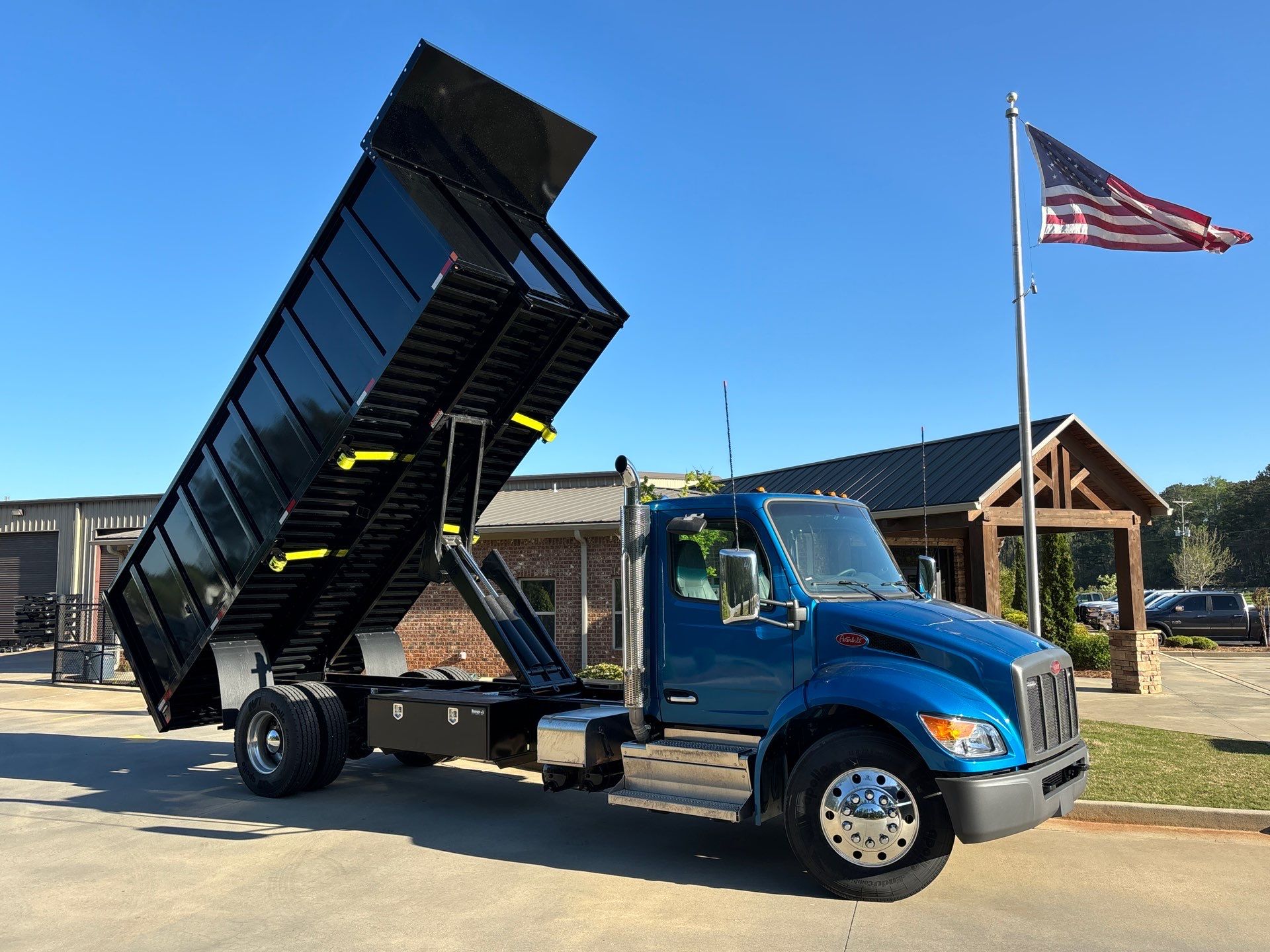
Flatbed Truck Body vs Platform Body: Key Differences Explained
Selecting the right truck body is key to improving performance, efficiency, and long-term value. When comparing a flatbed truck body to a platform body, understanding the structural and functional differences can help you select the best option for your operation. While both designs provide accessible hauling capabilities, their applications and features differ significantly.
Structural Design and Build Differences
A flatbed is designed with a fully integrated structure that includes a durable deck, side rails, and mounting features tailored for heavy-duty hauling. It is engineered to handle demanding work environments where strength and versatility are critical. Many models also include additional features such as toolboxes, stake pockets, and tie-down systems to enhance cargo control.
In contrast, a platform body typically offers a simpler, more basic deck design. It may lack the reinforced structure and customization options found in a flatbed. This makes platform bodies more suitable for lighter loads or less complex applications where advanced features are not required. For operators who need durability and flexibility, the flatbed design provides a clear advantage in both construction and long-term performance.
Functionality and Worksite Versatility
One of the key differences between these two options lies in their performance on the job. A flatbed dump body combines the benefits of a flatbed with hydraulic lifting capabilities, allowing operators to unload materials quickly and efficiently. This feature is especially valuable for construction, landscaping, and material transport, where time and labor savings matter.
A standard platform body, on the other hand, does not typically include dumping functionality. This limitation often requires manual unloading, which can slow operations and increase labor requirements.
Additionally, a dump bed provides greater adaptability across multiple tasks. Whether hauling bulk materials, equipment, or debris, the ability to switch between transport and dumping functions enhances overall productivity. This versatility makes it a preferred choice for professionals who need a multi-purpose solution.
Customization and Long-Term Value
Customization plays an important role in selecting the most suitable truck body for your needs. A flatbed dump body can be customized with various hoist systems, deck materials, and side configurations to match specific job requirements. These options help businesses improve efficiency and ensure their equipment aligns with daily operations.
Similarly, a flat dump bed can be equipped with features such as reinforced flooring, specialized tie-down points, and storage solutions that improve both safety and usability. These enhancements improve load management and reduce wear over time.
Platform bodies generally offer fewer customization options, which can limit their effectiveness in more specialized applications. While they may serve basic hauling needs, they often lack the adaptability required for evolving workloads.
Making the Right Choice for Your Operation
Selecting between a platform body and a flatbed solution ultimately depends on your operational demands. If your work involves frequent loading, unloading, and transporting heavy materials, investing in a flatbed truck body can provide the durability and flexibility needed to perform efficiently. For simpler tasks, a platform body may still be a practical option.
Custom Solutions Built for Your Work Demands
At K & K Manufacturing, we understand that every operation has unique requirements. Our team specializes in designing and building high-quality solutions, including flatbed truck body options, that deliver long-term performance and reliability. We work closely with you to ensure your equipment supports your workflow and helps you achieve your goals. Contact us today to explore customized solutions built for your success.